 1.301.974.4515


February 24, 2026
What’s the Difference Between Light-Filtering and Blackout Shades?
With many different terminologies in solar fabric options available on the market, you may be wondering how to differentiate the options, and which is best for your project’s needs. Here we will simplify and break down the 2 primary options in shade fabrics.
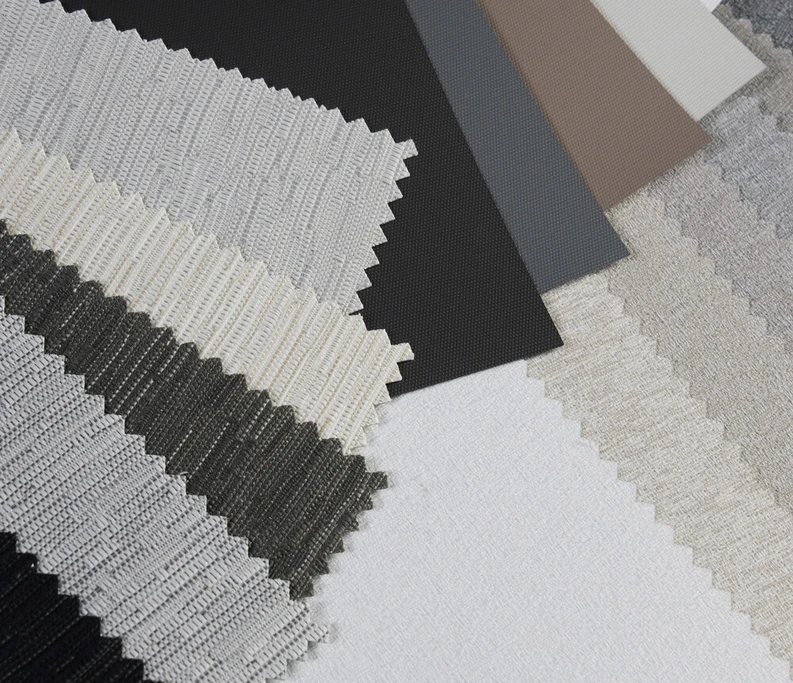
Light Filtering fabrics will filter natural light and effectively provide solar protection, glare control and reduced solar heat gain while also preserving your view to the outside. When we refer to light filtering, this generally relates to a solar fabric that has a weave with openness’s on a scale between 1% and 10%, which correlates with the amount of the fabric that has small openings which allows light in.
Lighter colored fabrics absorb less solar radiation and permit more light, preserving natural light levels. Darker colors absorb more solar radiation and transmit less light, providing a more transparent view through the screen to the outside. Higher Openness Factor Fabrics allow more natural light and provide better visibility and view through properties. Lower Openness Factor Fabrics allow less natural light and block more UV rays while providing a higher degree of privacy.
Blackout Fabrics provide total light blockage and privacy resulting in complete glare control, UV elimination and significant reduction in solar heat gain. When we refer to blackout fabrics the solar shade is manufactured and constructed of a fabric that has no light filtering or openness to allow for natural light to enter. The backing of these fabric shades are manufactured using mainly polyester or nylon or coatings of foam. Thereby offering the result of total blackout.
Follow Us:


